
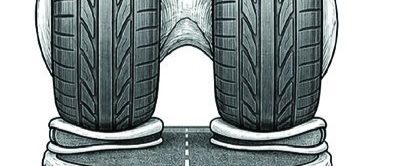
Move well, build strength, avoid the spikes.
Every step loads your knee. So does every stair, squat and run. The joint is built for it. Knee injuries usually arrive not because someone moved, but because of how the demand changed or how the movement was done.
This pillar is about five things: the weight you carry, the spikes you avoid, the mechanics you use, the strength you build, and the familiarity you have with the movements your sport or hobby actually asks for.
Optimise your weight
Every extra kilogram is carried by your knees on every step, multiplied on stairs and slopes. That’s physics, not judgement. The goal isn’t a number on a scale; it’s reaching and holding a weight at which movement is comfortable and sustainable, built through the same habits that serve the rest of this framework.
Avoid sudden load spikes
The most reliable way to injure a knee is to ask it for something it hasn’t been prepared for. Doubling your mileage, a first ski trip in years, a new sport at full intensity, three hard sessions back to back. Distance, pace, hills, frequency and resistance can all shift demand faster than tissue adapts. Progress gradually and the body keeps up. Spike and it can’t.
Squat and land well
Mechanics decide where force goes. A good squat and a controlled landing spread load through the hips, knees and ankles the way the body is designed to take it. Knees collapsing inwards, stiff-legged landings and poorly controlled deceleration send force where it doesn’t belong. These patterns are trainable at any age, and training them is one of the best investments you can make in reducing knee injury risk.
Control the pivot
Cutting, turning and changing direction are where many serious knee injuries happen, including ACL injuries. Pivot control comes from hip and trunk strength, balance, and rehearsal of the movement itself. If your sport involves changing direction, your training should too.
Build strength and balance
Muscle is the knee’s suspension. Quads, hamstrings, glutes and calves absorb load and protect the joint from surprises, and the balance between them matters as much as the total. A strong quad on a weak hip is a common combination and a common problem. Balance and proprioception, your knee’s sense of where it is, are trainable too, and they should be if you move on uneven ground or at speed. Strength isn’t a young person’s project. [The evidence for strength training in later life is some of the most convincing in the field.]
Be familiar with your sport’s movements
Running fitness doesn’t prepare you for football’s sprinting, stopping and cutting. Gym strength doesn’t prepare you for a week of ski turns. Every sport, hobby and pastime has its own movement vocabulary, and the knee copes best with movements it has rehearsed. Before the season, the trip or the return, spend time on the specific movements you’ll actually make.
Can every knee injury be prevented?
No, and anyone who says otherwise is selling something. Sport carries risk. Good preparation reduces the risks you can influence; it doesn’t remove the ones you can’t.
Listen to change
Ordinary tiredness after effort is normal. Persistent swelling, giving way, locking, significant pain or a knee that’s clearly not doing what it used to are not. Those belong in Diagnose.
The OmKnee principle
Build capacity rather than fearing load.